Showing posts with label Baby Stuff. Show all posts

10.16.2009

0

Be a C.O.O.L. Parent!

1. Control that you share ~ Give your child two to three choices that you can live with. Example: “Do you want to wear your blue shirt or your red shirt?” You don’t really care what color shirt your child wears and this gives them a sense of having some control.

2. Ownership of the problem ~ Determine who owns the problem. Ask these questions: Am I upset because my child’s upset? (then it’s the child’s problem) What will happen to me personally if the problem isn‘t solved? (if your answer is nothing, then it’s your child’s problem) How might I twist this problem to make it mine? (parents often twist the problem to make it their own).

3. Opportunity for thinking/decision making ~ Set limits and turn fighting words into thinking words. This will take 4 things being mastered:

a. Time ~ when training your child to think for themselves make sure you have time to follow it through.

b. Energy ~ you must have the energy to control your reactions and responses.

c. Support ~ find someone who can listen when you struggle with these steps and can encourage you.

d. Rehearsal ~ practice what you will say and how your child might react. Be prepared for them to fight you at first. This is new to them and they will test their boundaries.

4. Let empathy and consequences do the teaching ~ Find an empathy response that is yours. Give your child logical consequences to their mistakes. It doesn’t make sense to lose T.V. for staying out late. But taking phone privileges away if they are caught on the phone after 9:00 PM (or whatever your limit is) makes sense.

EXAMPLES:

Examples of training them to think: “You may eat what is served or you may wait and see if the next meal appeals to you more.” “Feel free to go out and play as soon as your room is cleaned.”

Examples of Child’s problem ~ Child’s room is a disaster area (it is only your problem when it overflows into the rest of the house).

8.24.2009

0

Toddler milestone: Socialization 2

What comes next

Around age 3, when your child moves from toddlerhood to the preschool years, he'll turn yet another corner, becoming more confident, independent, and reasonable (at least for the most part). Preschoolers, while still needing your guidance, love, and attention, are better able to communicate their needs and wants, cutting down on tantrums. Your child's curiosity will rev up too, as he tries to figure out how everything works — from the toaster to his pet rabbit.

Kids naturally love and gravitate toward other people, especially other children. As your child grows, he'll learn more about how to respond to others in social situations, and his enjoyment of their company will likely grow. Children this age learn a tremendous amount from watching and interacting with others. When your child understands how to empathize with other children and appreciates how much fun it is to have playmates, he'll develop truer, more lasting friendships.
When to be concerned

If your toddler (1 to 3 years old) seems overly aggressive and is incapable of spending any time with other children without biting, hitting, or pushing them, you may want to discuss these behaviors with his pediatrician. These responses often arise out of fears or insecurities, such as when a parent is absent or a move is imminent. While all kids can become unfriendly to others, especially when they're fighting over toys or are overly tired, it's unusual for them to be aggressive all the time.

0

Toddler milestone: Socialization

When and how it develops

How did your child start connecting with other people? How and when did he start making friends? It all began with you. As his parent, you were your child's first playmate — the first one to laugh at his antics and respond to his babbled "conversation." With your help (and reassurance) he's learned how to interact with others and discovered how easy and fun it is to get them to smile, make faces, maybe even make "raspberry" noises back at him. For the next two years he'll build on these first experiences, learning to play games, hold conversations, make friends, and delight relatives. Learning to socialize is a lifelong process, one that your toddler is now discovering firsthand.

12 to 18 months
During the first year, your toddler focused mainly on developing physical skills such as grabbing and picking up objects and learning to walk. He enjoyed short bursts of playtime with others, such as Grandma and Grandpa, but he preferred you and perhaps a beloved babysitter or caregiver above all others.

It's a different story now that he's a toddler. He's increasingly interested in the world around him, though he still sees everything in terms of how it relates to him. As your child learns to talk and communicate, he's discovering other people and how fun it is to try to elicit reactions from others. (Toddlers love to flirt.) Of course, this is also the peak of many toddlers' separation anxiety, so your toddler may be unusually clingy and timid at times. Don't worry, this usually diminishes rapidly after 18 months.

Now is when your toddler will start to really enjoy the company of other kids, both his age and older. You may notice, though, that he and his pals engage primarily in "parallel play" — that is, they sit side by side but play on their own. Older toddlers (around 18 months old) start interacting more with their playmates but are fiercely protective of their toys.

Kids this age may go through a period when they act like mini Count Draculas, biting their friends, but that's usually related to their exploration of what they can do with their teeth and their inability to communicate what they need. Biting (and other forms of aggression such as pulling hair or kicking) usually diminishes as your child learns to express his feelings through words.

19 to 25 months
Around the time he turns 2, your toddler will start to actively reach out to other children. But as with any other skill, he learns how to socialize with others by trial and error. Right now, he's unable to share his things. That's because he lives in the moment and can't envision anything beyond it, so the concept of taking turns — of waiting to play with a toy until after his friend has had a chance — is meaningless to him.

Your almost-2-year-old may also be skittish around adults. While some toddlers are quite outgoing and tell anyone who will listen about their newest toy, many kids this age are intimidated by unfamiliar people. And why shouldn't they be? Grownups are much taller, louder, and more assertive than your toddler and his peers. When you host a party at home, for example, your child may bury his face behind your skirt and say nothing to your guests, or he may even cry and run out of the room. If he doesn't seem sociable, he's not testing you and being impolite, he's merely exercising his toddler right to take things slowly. Although feeling comfortable around older people is a good skill for your toddler to develop, there's no hurry. Your child will let you know when he's ready to sit on his auntie's lap or chat with your best friend.

26 to 30 months
Kids tend to become even more self-centered between the ages of 2 and 3. They don't yet have the emotional maturity to be able to put themselves in other people's shoes, and assume that everyone feels the way they do. But as your child gains experience around other children, he can start to get the hang of sharing and taking turns. He may not be generous all the time, but he can learn to let his playmates go before him on the slide, for example, or take the first cookie. But his attempts are still tentative, and he just as easily asserts his dominance the next minute.

At this age your toddler also may start to single out one or two friends he cherishes. When you watch him with them he may not seem particularly fond of them — he may even spend much of his time howling — but he probably mentions these friends at home, saying goodnight to them out loud, and recognizes them with glee when he sees photos of them. It's his way of letting you know that these are the children who have made an impact on him. They're his best buddies — at least as much as toddlers can be to each other.

While it may seem like a lost cause to try to teach a 2-year-old manners, your toddler is actually starting to learn the importance of social niceties. He may refuse to say "hello" to your neighbors when you introduce him, or forget to say "thank you" when his uncle gives him a toy for his birthday. But then again he may run back a few minutes later and say "hi" or give his uncle a giant hug. And there's nothing really wrong with his behavior — he'll learn these rules of polite society gradually over the next couple of years. But if you continue to treat him with respect, he'll learn how to treat others the same way.

31 to 36 months
Ever catch your little one deep in conversation with a pretend friend who's invisible to you? Don't worry; imaginary friends are normal at this age and pave the way for him to make friends for real. He's learning how to form deep attachments with someone else besides you, something you'll want to encourage.

At this age, your toddler is also fine-tuning his relationships with real friends as well as imaginary ones. He's becoming more in tune with others, especially you. He senses when you're feeling disappointed, for example, and will point out that "Mommy's sad." But he's not very good at it yet; he probably laughs when he sees his playmate trip on the sidewalk, or won't want to console his cousin when he cries. That's because he has yet to fully develop the cognitive skills necessary to be able to put himself in another person's shoes, the foundation of empathy. But that doesn't mean you can't model kind, empathetic behavior yourself when you're around him. You're his best teacher.

Some of your lessons in manners may sink in by this time; if you've been modeling considerate behavior all along, he's likely to show glimmers of it now, when his mind has begun to grasp the importance of being kind to others. But it's still unpredictable as rain right now, since he's still a changeable, evolving toddler.

7.23.2009

0

How can I get my toddler to nap longer?

Saw this over at Babycenter while looking for tips and ideas for my lil boy and thought this is very helpful!

Know your toddler's sleep patterns. If you put your toddler down before he's ready, he may just catnap. If you put him down too late, he may not sleep well because he's overtired.

Every toddler has his own sleep schedule. Most toddlers start out taking morning and afternoon naps of about an hour each, then transition to one longer afternoon nap of two hours or more. Others don't nap at all but go down earlier for the night. Both scenarios are completely normal. Use trial and error to figure out when your toddler's ideal nap times are, then try to stick to them.

Rethink your nap-time routine. Some toddlers who wake up early from their nap will go back to sleep with a little encouragement, such as a loving pat. But if your toddler's waking up cranky and staying awake, the problem might be that he doesn't know how to fall back asleep on his own.

Think about how he's going down for his nap. Do you rock him, nurse him, or let him nod off in your arms? Helping him find ways to soothe himself to sleep as part of your nap-time routine may solve the problem.

Make sure your toddler's napping place is quiet, dark, cool, and comfortable. If he's sleeping on a mat in the living room rather than in his bedroom with the shades drawn, it's likely that his nap won't last as long. In general, children nap best in the same place where they sleep at night.

Consider dropping a nap. True, moving from two naps to one means your toddler is sleeping less overall during the day, but the remaining nap is likely to be longer. If your toddler's waking up early from his morning or afternoon snooze, that may be a clue he's ready to switch to a single nap. Most toddlers make the transition between 12 and 18 months.

6.24.2009

0

How to help your toddler after a nightmare

Posted this in my other site and thought some Mommies might want to read this here too!

Go to your toddler when she cries out. Physical reassurance is important, so hold her or rub her back until she calms down. You may also want to make sure her favorite stuffed animal or toy is tucked in with her and double-check that the night-light is on. If you bring your toddler into your bed to comfort her, be aware you could be creating a habit that’s hard to reverse.

Talk to her about the nightmare if she’s old enough to understand what you’re saying. But keep in mind that “it’s only a dream” won’t be much consolation, since at this age she doesn’t grasp the difference between reality and dreams.

Have a great week!

5.21.2009

0

Board like this!

I want this for my boys room!

We are going to be re-decorating a few things in the house when we arrived later this month. So I was thinking that maybe I can put something like this in the room of my eldest:) He loves to draw…I’ll ask the husband if it’s possible:)

0

Types of Play for your Child

Here are some guidelines for the types of play your child may be most interested in at different stages, according to Catherine Marchant, a play therapist at Wheelock College in Boston:

Social play
Interacting with you and others is important throughout the first year. Infants like to smile, look, and laugh. Older babies enjoy games such as peekaboo and itsy-bitsy spider.

Object play
Touching, banging, mouthing, throwing, pushing, and otherwise experimenting with things is fascinating for the 4- to 10-month-old set.

Functional and representational play
Pretending to use familiar objects in an appropriate way — pushing a toy lawn mower over the grass, or calling Grandma with a hairbrush, for instance — is the height of fun for 12- to 21-month-olds as their imaginations begin to blossom.

Early symbolic play
This type of play, common around the age of 2, creates something out of nothing. Your child might play with a shoebox as if it were a school bus, complete with motor noises, for example, or pretend to eat a plastic ring, insisting it’s a doughnut.

Role play
Around 30 to 36 months your little actor will begin taking on new roles. Playing doctor, teacher, or mommy is common now.

0

Plastic baby bottles

I knew about this way before I had my first boy! I think when I was preggy that time that I read somewhere that plastic bottles isn’t good for babies! Here’s a post I read somewhere.

Plastic baby bottles are thought by a lot of moms to be heaven-sent, and have become favorite gifts during baby showers most are being banned and taken off shelves.

New studies are showing that a chemical ingredient in polycarbonate infant bottles is a toxic. Bisphenol-a or BPA, found in popular plastic baby bottles, is said to mimic the human hormone estrogen and had caused long-term changes in test animals exposed to it. Children up to the age of 18 months were the most at risk from BP. The side effects? Behavioral and neural symptoms later in life, including early puberty in girls; reproductive issues and maybe certain cancers. Adults have less to worry about, as exposure levels need to be extremely high before it proves to be unsafe.

The bad buzz was enough for a senator in the US to introduce a bill banning the use of BPA-containing plastics in other children’s products: toys and food containers, among other things. The ban extends only to polycarbonate plastics so you don’t necessarily have to give up using all plastic baby bottles, although experts recommend switching back to good old glass ones. If you must use plastic, look under the bottle and check for the numbers 2 or 5, as these stand for the far less reactive polypropylene and polyethylene. Steer clear of the number 7 – this is BPA-laden polycarbonate. And no matter what plastic you use, skip the microwave because high temperature breaks down the container’s ingredients which may leak into your food.

Be safe!

4.12.2009

0

Toy Safety

• Is it suited to your child’s developmental level? Most toys bear a “recommended age” sticker, which should be taken as a starting point in the selection process. Be realistic about your child’s abilities and level of maturity when choosing an age-appropriate toy. Toys that have projectiles, for example, are never suitable for a child under age 4 — and even some 6-year-olds aren’t mature enough to handle them. Likewise, if your 3-year old still puts everything into his mouth, continue to steer clear of toys and games with small parts and pieces.

• Think big. Until your child turns 3, toy parts should be bigger than his mouth to avoid the possibility of choking. To determine whether a toy poses a choking risk, try fitting it through a toilet paper roll. If a toy or part of a toy can fit inside the cylinder, it’s not safe.

• Is the toy too heavy? Could your baby be harmed if it fell on him? If so, pass.

• Look for toys that are well put together. Make sure tails are securely sewn, seams of stuffed animals are reinforced, and paint is not peeling. Stuffed animals should also be free of buttons, yarn, ribbons, and anything else your child could yank off and put in his mouth.

• Is your child physically ready for this toy? For example, parents of older kids may buy a bike one size too big so as not to have to buy a new bike the next year. This tactic can lead to serious injury if a child doesn’t have the physical skills to control the bigger bike.

• Is the toy in good condition? Used toys passed down from older relatives or siblings or bought at yard sales can be worn or frayed, which can be sometimes pose a danger. Examine all new or used toys for buttons, batteries, ribbons, eyes, beads, and plastic appendages that could easily be chewed or snapped off.

• Does the toy have a string or cord longer than 12 inches? A cord can too easily be wrapped around a young child’s neck, causing strangulation. Once your child can climb up on his hands and knees, remove crib gyms and hanging mobiles from his crib. Be particularly vigilant about older toys. For example, an older model of a popular play kitchen may have a phone attached with a potentially deadly cord, while the latest model of the same kitchen has the more current and safer cordless phone.

• Does the toy use small magnets? In 2007, the CPSC named magnets the #1 hidden home hazard. Small, powerful magnets are often used in toys, and may fall out of the toy and be swallowed by a child. Two or more swallowed magnets (or a magnet and a metal object) can be attracted to each other through intestinal walls, causing twisting and pinching of the intestines, holes, blockages, infection, and worse if not discovered and treated promptly. As of August 2007, one death and 86 injuries from magnets had been reported to the CPSC, and 8 million magnetic toys had been recalled. The agency recommends keeping toys with magnets away from kids under 6 years old.

Have a great weekend ahead everyone!

4.04.2009

0

Baby Proof Your Home

1. COVERS/GUARD
Cover all electrical outlets. Door guards are important to prevent babies and children from smashing their fingers. Toilet guards are sold to keep little ones from getting into the toilet.

2. CABINETS
To promote safety in the kitchen and bathrooms, put latches on cabinets and drawers.

3. SHELVES AND TALL UNITS
To prevent tall units from falling on children, screw all shelving, tall dressers and cabinets into the wall. Little ones like to climb.

4. BABY FENCE/LOCKS
Put up a baby fence at the top and bottom of the steps. Make sure that your sliding door has a child proof lock at the top.

5. PREVENT POISONING
Put all household cleaners, medicines, and chemicals in a high area in your house. Know your poison control center number.

6. WINDOW GUARDS
Get window gaurds for your windows, especially if you live on a 2nd floor.

7. BABY MOBILES
Should be removed from the crib and playpen once your baby can stand.

8. SMOKE AND CARBON MONOXIDE DETECTORS
Make sure that you have working batteries in both your smoke and carbon monoxide detectors. Check your detectors at least every few months.

9. FURNITURE
Remove furniture with sharp corners and put corner protectors on the rest.

10. TELEVISION
Make sure that your television is in a safe place and on a sturdy stand (if not wall mounted). If you have a flat screen, make sure that the safety belt is safely attached from the table to the back of the tv.

11. BREAKABLES AND SMALL OBJECTS
Remove breakables and small objects from lower shelving.

12. TOYS
Make sure that toys are age appropriate. Make sure that there are not any small breakable parts that could be potential choking hazards.

13. PREVENT DROWNING
To prevent drowning, empty all water from bathtubs and pails, keep the door to the bathroom closed and never leave your child alone near any container of water no matter what size it is.

14. BUNK BEDS
Please remember that children under age 6 years of age should not be allowed to sleep in the upper bunk.

15. CHORDS AND DRAW STRINGS
Please shorten all chords from window coverings. Be careful with clothing that has draw strings as they can be a potential choking hazard.

16. SENSOR
To prevent fatal accidents, make sure that your garage has a sensor.

Have fun Mommies!

3.07.2009

1

How to Baby Proof Your House

I have this in my save documents that I got in eHow and thought this is good here. Since this is a blog named after my lil pea;) Things I get to share will be all about my lil one! If you have babies and haven’t baby proof your house yet, here are on how to do it! Good luck;)

1. COVERS/GUARD
Cover all electrical outlets. Door guards are important to prevent babies and children from smashing their fingers. Toilet guards are sold to keep little ones from getting into the toilet.

2. CABINETS
To promote safety in the kitchen and bathrooms, put latches on cabinets and drawers.

3. SHELVES AND TALL UNITS
To prevent tall units from falling on children, screw all shelving, tall dressers and cabinets into the wall. Little ones like to climb.

4. BABY FENCE/LOCKS
Put up a baby fence at the top and bottom of the steps. Make sure that your sliding door has a child proof lock at the top.

5. PREVENT POISONING
Put all household cleaners, medicines, and chemicals in a high area in your house. Know your poison control center number.

6. WINDOW GUARDS
Get window gaurds for your windows, especially if you live on a 2nd floor.

7. BABY MOBILES
Should be removed from the crib and playpen once your baby can stand.

8. SMOKE AND CARBON MONOXIDE DETECTORS
Make sure that you have working batteries in both your smoke and carbon monoxide detectors. Check your detectors at least every few months.

9. FURNITURE
Remove furniture with sharp corners and put corner protectors on the rest.

10. TELEVISION
Make sure that your television is in a safe place and on a sturdy stand (if not wall mounted). If you have a flat screen, make sure that the safety belt is safely attached from the table to the back of the tv.

11. BREAKABLES AND SMALL OBJECTS
Remove breakables and small objects from lower shelving.

12. TOYS
Make sure that toys are age appropriate. Make sure that there are not any small breakable parts that could be potential choking hazards.

13. PREVENT DROWNING
To prevent drowning, empty all water from bathtubs and pails, keep the door to the bathroom closed and never leave your child alone near any container of water no matter what size it is.

14. BUNK BEDS
Please remember that children under age 6 years of age should not be allowed to sleep in the upper bunk.

15. CHORDS AND DRAW STRINGS
Please shorten all chords from window coverings. Be careful with clothing that has draw strings as they can be a potential choking hazard.

16. SENSOR
To prevent fatal accidents, make sure that your garage has a sensor.

Have fun Mommies!

12.07.2008

0

Baby Gifts

Christmas is upon us! I think I've said this the nth times already! Excited, eh? :) Have you shopped yet? Family, Friends and relatives? I’m happy that I don’t have to do Christmas rush in the mall this year! Last year was busy because I gave birth to my baby boy! And I’m glad I buy baby gifts earlier for some of my girl friends and friends of the husband already. But for the life of me, I can't stop looking online baby store! And the one I saw one earlier has really great items and cute baby ideas come holiday! So, either you have a baby or not, check those on going sale because you will never great deals again like that after the holidays! Grab those cute onesie's and pj's while they won't last that long!

8.12.2008

0

Maternity Dresses

I can remember how my pregnancy went last year! Last year summer, I was 6 months preggy and my it was awesome! I love anything girly stuff and I just love anything have to do with red and purple! I remember I love to wear red, purple and brown Maternity Clothes and I always find something trendy of course! If you read my blog/s then you saw some of my pictures! some of my online friends thought the baby was a girl! Actually, we all are here! We thought that peanut will be a girl until late 6 months of my pregnancy! It was so different when I had my first little boy. The second was a breeze and it looks like I was only a few weeks;-) I even have a few Juicy Couture Maternity items to boot! :D I love fashion and how much more if I am preggy:) Good thing, the husband has been spooling me;-) I love being preggy but of course it can be a lot tiring!

So anyway, I also have a friend that is preggy right now and she's a little over 10 weeks and it's also her second baby! I am happy for her too. And when I saw this Maternity Dresses online, I know this is what she really wants! I wished I saw this last year when I have the bulging tummy;-) hehe I could really use some of those fashion maternity items! Can you believe that I have been wearing maternity jeans until my 38th weeks? Yeah! :D I'll definitely bookmark this site not only they have great maternity items for those preggy Mommas out there but they also have diaper bags that I might going to like! I have my 8 months here:D Check it out! You'll love it;)

8.10.2008

0

New Baby

A friend of mine is expecting her first baby! I am soo happy for her and her husband:) We don't see that often but we chat a lot online and my heart sing when she told me last week! Heaven knows how much they wanted this little one! so, right now I am already thinking what to give for the baby shower! And I saw this baby pushchairs that are totally kewl and cool! I might just get one for my little peanut too! This site has a lot of baby stuff that I went gaga looking around with their stuff! They have this pram, toys and more! But I like this pushchair much better. My..a lot of choices but it's still a little early though so, I have more time in my hand to think what's best to give for her baby!

I was thinking of just getting some stuff for my little peanut too that way I can save the shipping. I love it because I can save my time going to the department store. In there they even have baby cots, highchairs for feeding which by the way what I am really looking. We have a small one here but I really need something bigger. They also have swings for toys. And the best thing? They accept Paypal payments:) We'll see what to get first and will share here what are my loot! :D I'm excited!

2.02.2008

0

Things for Baby

I am always on the look out for baby clothes or anything for my little boy! Of course what's Mommy gotta do,huh? :) I saw a while ago something about a forum for Mommy who just gave birth or stuff like that but I forgot the website URL. But I am glad I stumbled upon this baby store that I chanced up looking in the net! If you have kids like me or preggy and a baby on the way this is a good site to look for what’s and what’s not! I like LilaGuide because it has reviews of any kind of products, events and where to’s and there is also a message board in case you are looking for someone to chat and ask questions of any baby stuff! Awesome,right? Enjoy!

11.11.2007

0

Peanut Stuff!

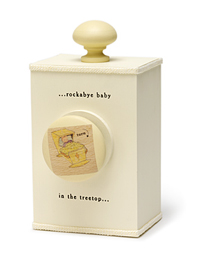
I can't believe it, it's only 18 days! Yup:) Excited and of course a mixed emotion that I'm feeling right now! Wish me luck though! But before I get mushy all over again, I came across this personalized baby gifts that I totally ADORE! WOW! Now, I'm thinking of shopping again! Seriously though, if you are going to have a Baby shower or just gifts to your friends little one, this is the best site I found very useful and with awesome prices to boot, I'd say check it out!!! Just look at this Mind Set Music Box that I saw..it's just adorable and good thing too is that right now they are having a sale!

Wind-up Music Box, Décor, Baby Products, Baby Shop

Isn't is adorable! I want it for peanut:)

10.22.2007

0

Tips on Baby Names

I saw this in Baby Center and thought its helpful. Not that you want it yourself because I’m not sure if you readers there are preggos just like me..But hubby and I here are still thinking of what will be the name of our little peanut:) Yup, 34 weeks and we don’t have a name yet! :D

Anyway, here its!

Where do I begin?
Start discussing names with your partner as soon as possible to set some guidelines. Keep a list of favorites handy so you can add to it whenever a name pops into your head. Use our Baby Name Finder tool to find name ideas.

There are lots of considerations when you’re deciding on a name, such as appeasing relatives, avoiding embarrassing initials or nicknames, and steering clear of monikers associated with bad memories. These are some of the main points to keep in mind:

• Sound and compatibility. How your baby’s name sounds when it’s said aloud is one of the most essential things to think about. Is it melodious? Harsh? Does it go well with your last name? Often, longer first names work better with shorter last names, and vice versa. Combining a first name that ends in a vowel with a last name that starts with a vowel generally isn’t the best choice — the names tend to run together (”Eva Anderson”). Avoid first names that rhyme with your last name. And please resist puns: A name like “Holly Wood” or “Bud Weiser” will be cute for about five minutes. Then your poor child will be stuck with it for the rest of his or her life.

• Uniqueness. An unusual name has the advantage of making the bearer stand out from the crowd. Fran Barclay of Ann Arbor, Michigan, sometimes wishes she hadn’t named her second son Matthew. When he started school, he had three other Matts in his class. “It was years before he really understood that his name wasn’t Matt B.,” she says. On the other hand, a name no one has heard of and few can pronounce can bring attention a child would rather avoid. One way of striking a balance is to choose a familiar first name if the child’s last name is unusual, and vice versa. If your son’s last name will be Smith, you might want to consider something with more pizazz than Joe for his first name. But if his last name is Aytrivbsoan, then Joe might be preferable to, say, Archimedes as a given name.

• Relatives and friends. Many parents choose to name their babies after a grandparent, other relative, or close friend. This option can provide you with a good pool of names to consider. Take ideas graciously, but don’t tell anyone what you and your partner have decided until after the baby is born — when it’s too late to give in to any subtle hints. And never let anyone pressure you into a name you don’t like. Great Aunt Hepzibah may have survived all right with her name, but will your baby?

• Ancestry and heritage. Your child’s heritage is an essential part of who she is, and you may want her name to reflect that. Your religious preference may steer you toward a certain category of names. Or perhaps your family has a tradition of naming first-born sons after their fathers. If you love a name but it doesn’t meet your family’s traditional requirements, consider using it as a middle name. Or give her the name you prefer and use the traditional name for her middle name.

• Meaning. No one is likely to treat your daughter Ingrid differently because her name means “hero’s daughter,” but the derivation of your baby’s name is something you may want to think about. After all, if little Stockard finds out someday that her name means “from the yard of tree stumps,” she may not be pleased.

• Initials and nicknames. People, especially kids, can be cruel when it comes to nicknames, so try to anticipate any potentially embarrassing ones. Of course, just because you don’t think of something doesn’t mean some clever second-grader down the line won’t — and he’ll probably find it utterly hilarious. But at least you can rule out the obvious problems. Also, be aware of what your child’s initials spell. Zachary Ian Thomas will more than likely get a lot of teasing; Zachary Edward Thomas probably won’t.

Remember, none of these are hard rules. The most important criterion for a name is simply that you and your partner like it.

:D

0

Stay at Home Mom's

Being a Stay at Home Mom like me do need something like this parenting resources online. I am having a hard time finding site like this. I’ve seen a couple of sites already but this one is a lot more different than the ones I saw. Good thing about this one is that they have great guides on where to get baby stuff and some how to’s and where to’s information. You can definitely join the community for free specially if you’re a SAHM{ Stay At Home Mom} like me and you can get reviews of such stuff you are looking for. I was looking on the net earlier about some clothes for peanut and saw this while I was looking through the net..I’m just glad I saw this..So, if you are a SAHM or a Mommy...who are looking for community site like this, check it out! They’ve got over 100,000 real reviews from real moms on the best baby shops, activities and products! Really interesting,right? so, head over there and see for yourself! Have fun in the boards;)